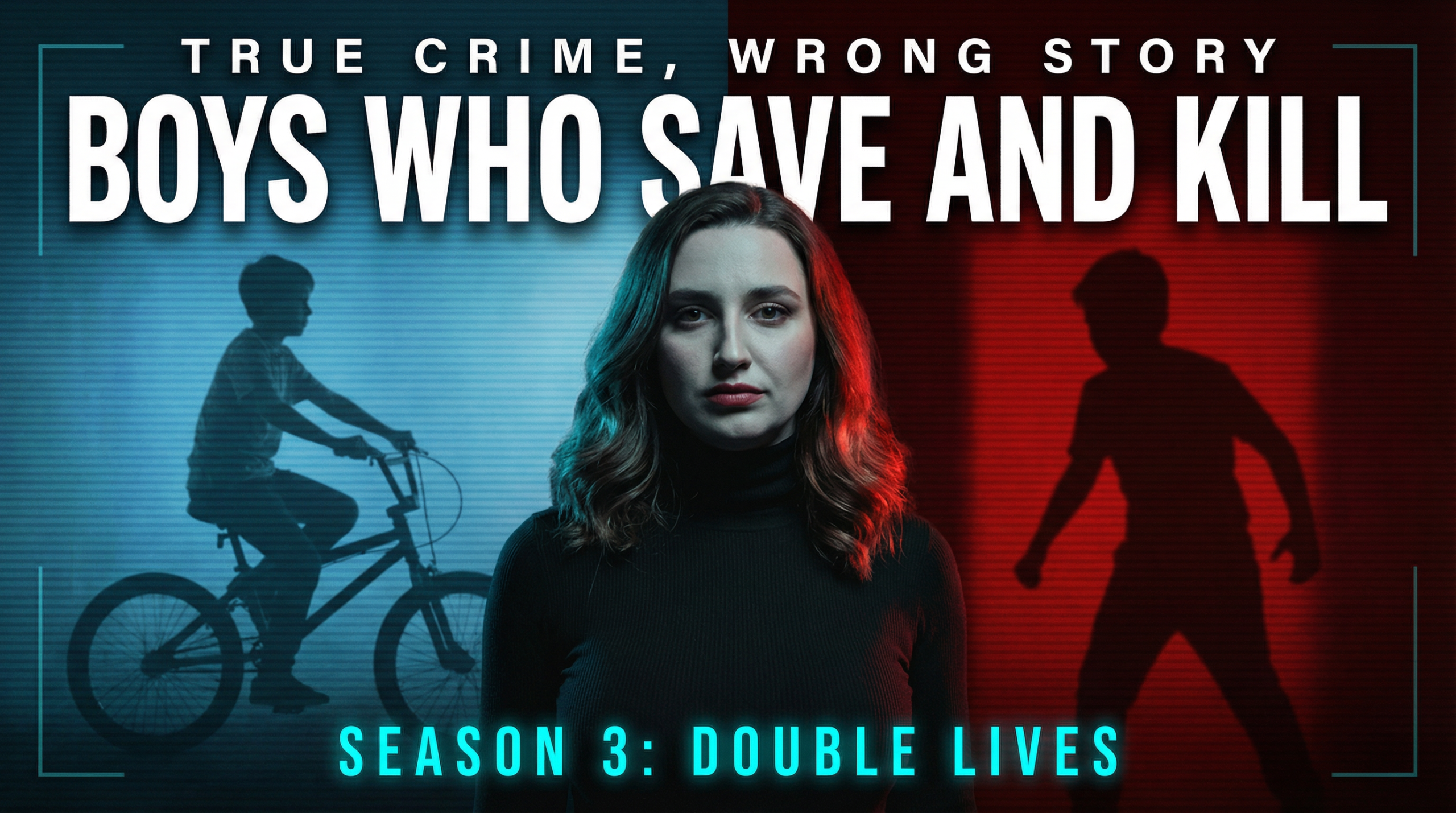
Boys Who Save and Kill
A case-file breakdown of the research, structure, and arguments behind the episode examining Temar Boggs and Ned Kelly — and why culture cannot hold heroism and harm in the same person.
Two boys the world decided it already knew
Season Three follows people who refuse to stay inside a single role — hero, villain, victim, offender. Episode One opens on two rescues, more than a century apart, and asks what happens when the same person is later responsible for real harm.
Temar Boggs
At 15, Boggs and friend Chris Garcia chased down a car that had abducted five-year-old Jocelyn Rojas, tailing the driver on bicycles until the girl was released. He became a national hero overnight.
Rescue → national hero coverageNed Kelly
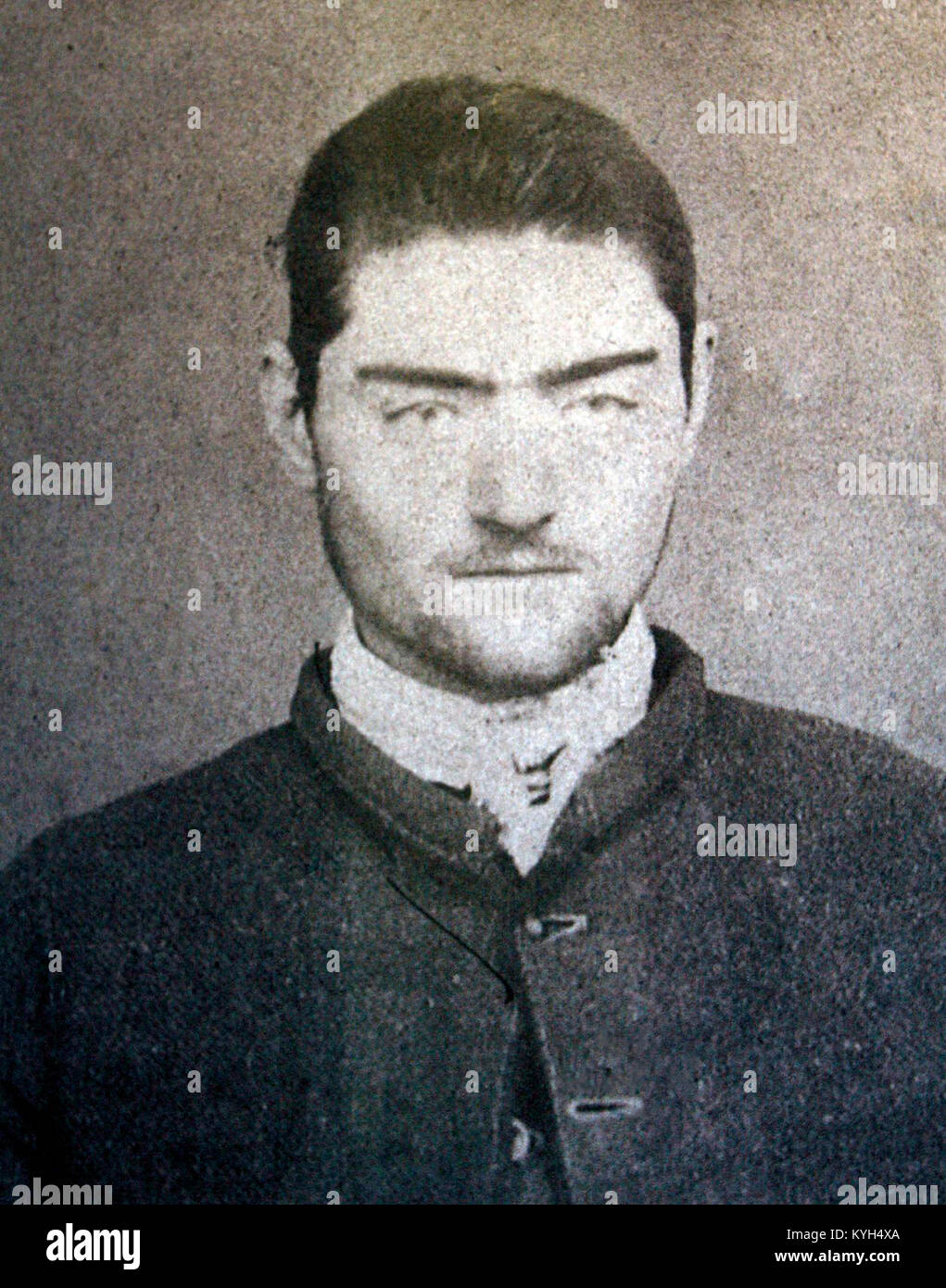
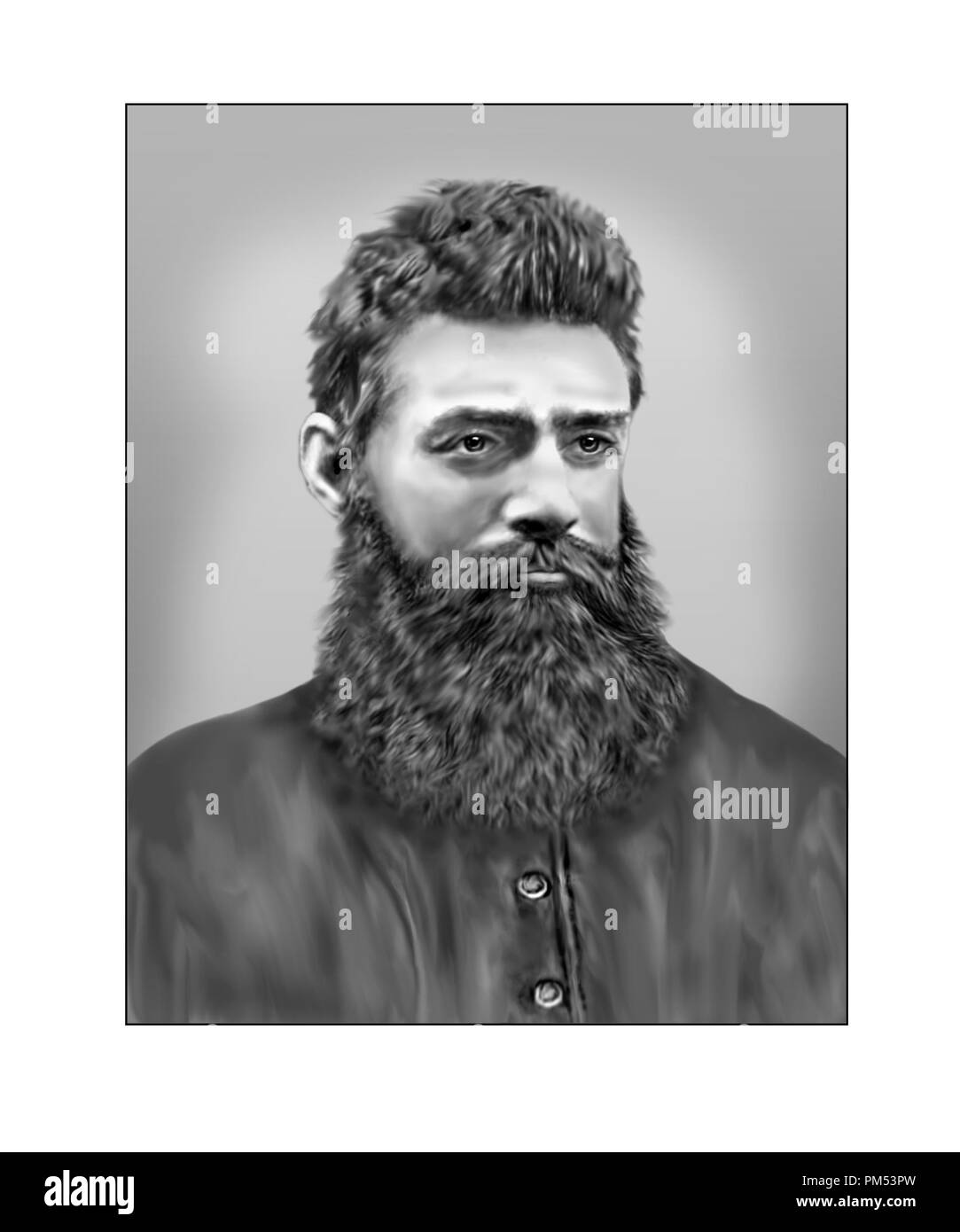
Decades before becoming Australia's most mythologized outlaw, Kelly saved a boy from drowning at Avenel. He later killed three police officers at Stringybark Creek and was hanged in 1880 at age 25.
Rescue → folk-hero mythologyHow each story actually unfolded
The rescue in Lancaster
Jocelyn Rojas, 5, is lured into a car by Harold Leroy Herr, a 73-year-old convicted sex offender. Temar Boggs and Chris Garcia chase the car on bicycles for 10–15 minutes until the girl is released.
Hero status, national coverage
Boggs is hailed in national news and television interviews. Herr later pleads guilty to kidnapping and sexual assault and is sentenced to 50–100 years.
The El Coqui Market robbery
Now 18, Boggs and a 16-year-old accomplice rob a Lancaster City market at gunpoint, fleeing with $200. He pleads guilty in June 2016.
Sentencing
Judge Howard Knisely sentences Boggs to 40 months to 10 years. He is paroled in 2019.
The rescue at Avenel
A young Ned Kelly jumps into a creek to save a Chinese-Australian boy from drowning. The boy's family gives him a green sash — later worn under his armour at his last stand.
Stringybark Creek
Kelly and his gang kill three mounted police officers — Lonigan, Scanlan, and Kennedy — in a confrontation Kelly later frames as pre-emptive self-defense.
Execution at Melbourne Gaol
Kelly is hanged at 25, despite a 30,000-signature petition against his execution. His last words: "Such is life."
What the episode is actually asking
"What systems do with the people they use — that's the question the official stories don't want you to ask." Alexandra Kitty, Boys Who Save and Kill
The sequencing of sympathy
Kelly's legend asks audiences to feel colonial injustice before the killings; Boggs's coverage asks audiences to feel betrayal before any context. Both sequences do moral work on the audience.
Who gets a story vs. a verdict
Kelly's violence was framed as political resistance and mythologized for 140 years. Boggs's offense was small, local, and quickly buried in silence rather than examined.
The burden of the exemplar
Sudden public visibility for adolescents can be destabilizing rather than protective — attracting negative attention and creating identity pressure a 15-year-old never asked for.
Race, class, and who becomes myth
Kelly's story fit a national narrative about resistance to colonial power. Boggs, a Black American teenager, had no comparable cultural frame built to hold his full story.
Key exchanges from the episode
What does research say about young people labeled as heroes?
How does the criminal justice system account for prior heroism in sentencing?
Why does Ned Kelly get mythologized while Temar Boggs gets silence?
What does the ongoing Australian debate about Kelly actually reveal?
Research imagery for the episode
Reference visuals gathered during research to inform graphics, chapter cards, and B-roll direction.